.png)
Earth Day Lake Cleanup at Beltzville State Park: Scuba Divers Making a Difference Beneath the Surface

On April 18th, 2026, Fishhead Scuba and Atlantis Aquatics had the pleasure of hosting another Earth Day event bringing together 22 divers for a PADI Dive Against Debris at Beltzville State Park, where we collected an estimated 70 pounds of trash from underwater.
Among the debris the divers recovered a nearly new tire, a hookah, and countless plastic cups, along with items like beer cans, fishing lures, sunglasses, hats, socks, scuba masks, and more.

While this may not seem like much to some, what we removed is only a fraction of what remains, and far more than should be there in the first place.
We live in a world where littering has, for some, become normalized and often overlooked. But environments that aren’t easily accessible, especially those where nature should be thriving undisturbed, deserve our attention the most. These are the places where cleanup and preservation efforts matter deeply, and where even small actions can make a meaningful difference.
Our Mission
Our mission is simple, but the impact we make is significant in conservation and preservation. While our events may feel like a fun day out—and they certainly are—they serve a greater and more meaningful purpose.
As scuba divers, we have access to parts of the world that most people will never see. As of 2026, is estimated that there are between 6 million to 9 million scuba divers worldwide. While millions are certified, not all current and active, and only a small percentage take the time to give back and actively preserve the environments we love.
With that access comes responsibility. We witness firsthand the impact pollution has beneath the surface, what others may never realize is there. That perspective gives us a unique opportunity, not just to explore, but to protect.
Every event we host comes with responsibility and awareness.
When organizing cleanup events, we take pride in minimizing the waste we create while still providing light snacks and refreshments for our volunteers. As the event organizer, Dani ensures a fresh water jug is always available, reducing the need for single-use plastic bottles. Snacks are selected and served with minimal packaging such as paper bags, plastic cutlery is nowhere in sight, and cups and plates are biodegradable or made from organic materials.
This may seem like a small detail, but it reflects what it means to be an AWARE diver. These choices often go unnoticed, yet they are intentionally and consistently incorporated into every one of Dani’s events, proving that protecting our environment goes beyond what we remove from it and what is not always noticed.

Beltzville State Park
Beltzville State Park is a scenic outdoor recreation area located in the southern foothills of the Pocono Mountains in eastern Pennsylvania, near Lehighton.

The park is primarily a day-use park, meaning visitors typically come for day trips rather than overnight stays. With its mix of relaxing beach space and active outdoor recreation—such as fishing, picnicking, hiking, and swimming, it serves as a convenient and popular escape for people from nearby cities in Pennsylvania and neighboring states.
Why Beltzville
With such a high level of activity around the lake, it’s not uncommon for debris to accumulate in the water. Although park staff and volunteers do an excellent job keeping the shoreline and park trails clean, maintaining the underwater environment is far more challenging. That’s where our volunteer divers step in, playing a vital role in helping preserve the health and beauty of the lake.
*Important: Scuba diving at Beltzville State Park is not normally permitted. For this event, however, we were granted a special permit by DCNR allowing our team to conduct these activities

Beyond Beltzville State Park being an ideal location for a cleanup due to its high level of activity, the lake also offers conditions that make it suitable for both new and experienced divers to get involved and make a difference. With generally calm waters, shallow depths, and relatively good visibility, newer divers are encouraged to participate and be part of something meaningful. At the same time, more seasoned divers can take on additional challenges, venturing slightly deeper and helping remove heavier or more difficult debris—such as the tire we recovered.
Learn more about Beltzville State Park
A Community Coming Together for a Greater Purpose
This Earth Day was more than just a cleanup at a beautiful location, it was a day shared with an incredible community. Joining forces with like-minded teams made it even more special, as we all came together with a shared passion for the park, nature, conservation, and the future of our planet.
Our Volunteers
Scuba Divers
Our volunteers include divers from across the Northeast, including New Jersey, Pennsylvania, and New York, with some traveling for hours to take part in these efforts. Their dedication reflects a strong commitment to protecting our planet, and these contributions do not go unnoticed.
New divers and seasoned divers alike come together as a united community, sharing a common purpose that often leads to meaningful, lasting connections. Many leave not only with the satisfaction of contributing to conservation, but also with new friendships, dive buddies, and a stronger sense of belonging within the diving community.
Learn more about Fishhead Scuba and Atlantis Aquatics


The American Association of Canine Water Rescue
While our volunteer divers worked below the surface, we were joined by the amazing team from American Academy of Canine Water Rescue. In addition to supporting diver safety, they hosted a meet-and-greet and gave attendees a front-row seat to their highly trained K-9s in action through an interactive hands-on, and we can also say “paws-on” demonstration of their impressive rescue training alongside their handlers.
George Abraham, Oakley and Kelby's primary water rescue handler is the president of the K-9 team and was the link and connection between the team and other volunteers. Bringing his team together to support our event.
Learn more about The American Academy of Canine Water Rescue

Friends of Beltzville Group
We were also grateful for the continued support of the members of Friends of Beltzville State Park. This committed group of volunteers takes great pride in preserving and caring for the park, an essential role in maintaining the beauty and condition of the park as we know it today.
On the day of the event, they also hosted activities throughout the park, including a lollipop hunt for the kids, an afternoon hike with members, as well as yoga with Theresa Moore. It was certainly a day full of community and fun!
The dedicated members of the Friends of Beltzville State Park, played a key role in making the event a success. Even before the event, they took the time to connect with participating teams and organize volunteers to support our efforts.
Diane Szwajkowski, a proud member of the group, has shown amazing efforts into connecting all teams, she is a valuable link between all parties involved.
Learn more about Friends of Beltzville

Pennsylvania Water Rescue Station 72
The Pennsylvania Water Rescue Station 72 came out not only to support the event on the surface, but their team also joined us underwater. With their rescue equipment on site, park visitors also had the opportunity to check out the rescue trucks and boat up close.
Learn more about the Pennsylvania Water Rescue

DCNR (Department of Conservation and Natural Resources) and USACE (US Army Corps of Engineers)
Each year, our event begins with coordinating permits through the Pennsylvania Department of Conservation and Natural Resources (DCNR) and US Army Corps of Engineers (USACE). Cody Miller has been a tremendous resource, serving as a key link between DCNR, park rangers, USACE, and all parties involved. While much of the work happens behind the scenes, it should not go unrecognized, without these efforts, events like this would not be possible.
Cody, along with a dedicated group of park rangers, joined us to represent DCNR and show their support. We were also pleased to have Marielle Payton in attendance, representing the United States Army Corps of Engineers Philsadelphia District.

Thank you all for taking the time to join and support us!
Our Sponsors
Other than the support from our volunteers, we also recognize the invaluable contributions of our sponsors. They are not only trusted brands we rely on, but organizations that actively work to make a positive impact on the planet through their everyday operations.
PADI (Professional Association of Diving Instructors) - PADI has shown their support in many ways—from simple items like pens for our volunteers to generous prizes such as dry bags, backpacks, and even free eLearning courses, encouraging our divers to continue their education and grow their skills.
Learn more about PADI

Strea2Sea - Stream2Sea has shown continuous support year after year. As a valued partner, they are known for their commitment to protecting our oceans through reef-safer, biodegradable products. By creating scientifically tested sunscreen and personal care solutions that are safe for both people and marine life, they lead by example in promoting responsible diving and ocean conservation.
They have also generously provided products for our divers to try, along with a gift of their popular Mask Defog for each and every participant.
Learn more about Stream2Sea
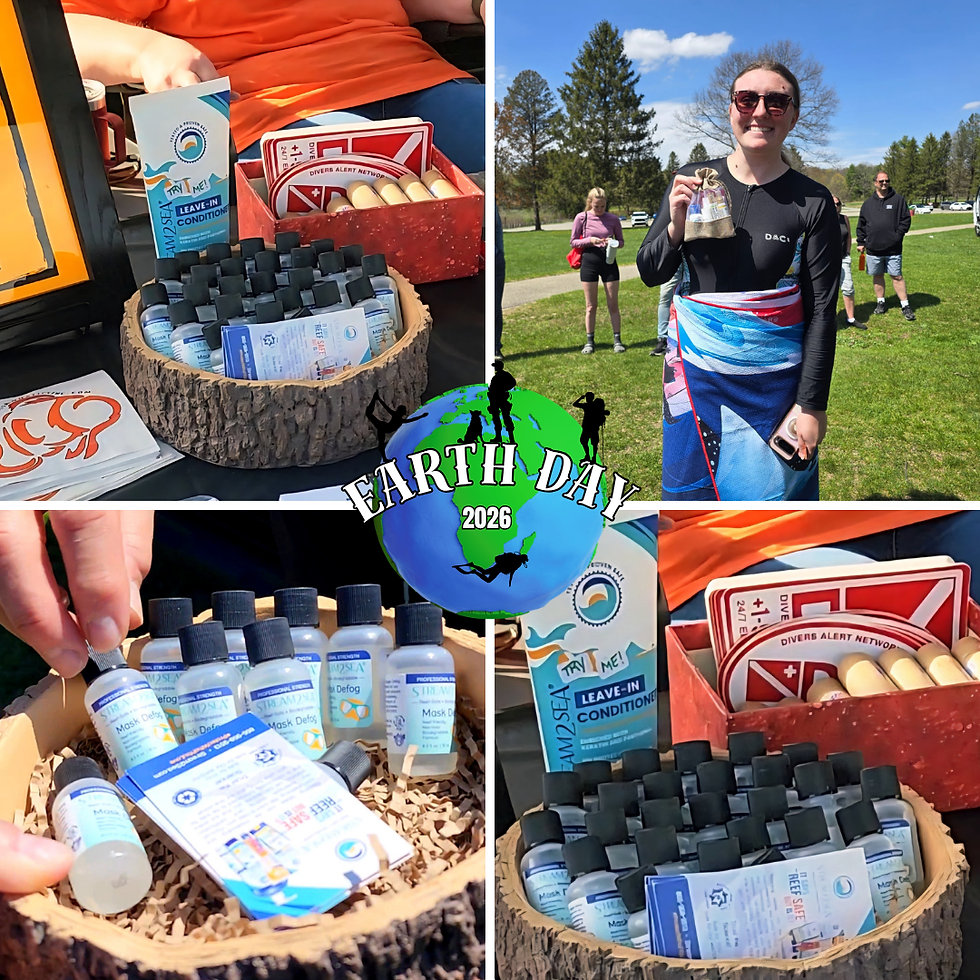
DAN (Divers Alert Network) - DAN, our trusted dive insurance provider, has partnered with us in supporting our events, including EFR courses, by contributing a variety of items for our divers to enjoy. Beyond that, they also share valuable information about their services, helping divers stay prepared and protected in unforeseen situations.
Learn more about DAN

Thank you all for the continuous support!
It's only one bottle. Said 8 billion people.
Did you know the world’s population is approximately 8 billion people? Now imagine if every single person said, “It’s only one bottle"… every day, for the rest of their lives.

When you look at it from that perspective, sounds like a lot, doesn't it?
Using single-use plastic may seem harmless in the moment, but when it’s used multiple times a day by billions of people—especially when disposed of improperly—it becomes a serious threat to our environment.
A single plastic water bottle can take anywhere from 450 to 1,000 years to break down in a landfill. Even then, it never truly disappears. Instead, it fragments into microplastics that continue to pollute our soil and waterways. In marine environments, the breakdown process is just as long and damaging, leaving a lasting impact on ecosystems and marine life.
Don’t get me wrong, I’m not trying to sound like a hypocrite. Every now and then, I’ll grab a bottle of water on the go or treat myself to my favorite, a Dunkin’ Brown Sugar Shaken Espresso, which obviously comes in plastic. But those choices aren’t part of my daily routine, and whenever possible I make sure to make the right choice.
Plastic products are everywhere, and avoiding them completely can feel almost impossible. Still, as citizens of this planet, it’s our responsibility to be aware of how much we use and to make conscious choices about how we dispose of it.
No Trash is Too Small: Even the Smallest Piece of Plastic Can Have a Harmful Impact on the Environment.
Microplastics are tiny plastic particles—usually less than 5 millimeters in size—that are created when larger plastic items break down or are manufactured for industrial use. Once released, they spread widely through air, water, and soil, making them nearly impossible to avoid.
In marine environments, animals often mistake microplastics for food. When ingested, these particles can cause digestive blockages, reduced appetite, and a false sense of fullness that leads to malnutrition over time. This affects a broad range of species, from plankton and fish to seabirds and marine mammals.
These particles can also enter our food system through multiple pathways. In oceans and waterways, marine life such as fish, plankton, and shellfish ingest microplastics, which can then move up the food chain and ultimately reach humans.

On land, microplastics can also contaminate soil through polluted water and plastic-based agricultural materials, allowing them to enter crops like fruits and vegetables. They are additionally found in drinking water and even in airborne dust, meaning exposure can occur through both eating and breathing.
Because of this widespread presence, microplastics have been detected in many foods and beverages, and researchers are still working to fully understand their long-term effects on human health.
What Can You Do to Help Protect the Environment
Here are a few small steps you can take in your everyday life that create a huge long-term impact:
Bring reusable bags, bottles, and containers to cut down on single-use plastics
Turn off lights and unplug devices when not in use to save energy
Take shorter showers and be mindful of water usage
Recycle properly and reduce overall waste
Choose to walk, bike, carpool, or use public transportation when possible
Support local and sustainable businesses
Avoid products with excessive packaging
Use reef-safe and environmentally friendly products
Never litter—dispose of waste responsibly
Use your voice. Educate others and lead by example
Want to get involved? You can Sign the Petition for a strong Global Plastics Treaty.
Your individual action will help end the plastics crisis once and for all and secure our brightest future.
Another way to learn more about how to help and get involved is by taking the PADI Dive Against Debris Specialty course. This course isn’t just about picking up trash, it turns you from someone who simply enjoys the underwater world into someone actively protecting it. You’ll remove debris while contributing valuable data that helps fight marine pollution, all while building stronger dive skills like buoyancy and awareness.
Tip: Bringing a mesh bag on every dive gives you the chance to make a difference each time you enter the water. You don’t need to be a PADI Dive Against Debris certified diver to make an impact, but every diver has the responsibility and opportunity to help protect the environment in every dive.
Every dive is a cleanup dive.
Why take the PADI Dive Against Debris Course
The PADI Dive Against Debris Specialty Course is straightforward but essential, it teaches divers to safely and effectively execute and organize effective Dive Against Debris surveys, empowering community leaders to better the places where they play, dive, work and live.
Objective: The goal is to remove harmful debris from the underwater environment—everything from plastic bottles and fishing nets to lost gear and other man-made waste that threatens marine ecosystems.
Participation: Divers, dive centers, and shops come together for organized cleanups at local, regional, and global levels, often supported by the PADI network and aligned with broader conservation efforts.
Training and Awareness: Through education and programs like the Dive Against Debris® Specialty course, divers learn the impact of marine debris, how to safely remove it, and how to properly document what they find.
Data Collection: Each cleanup dive contributes valuable information by tracking the types and quantities of debris collected, helping paint a clearer picture of the problem.
Reporting: Divers log their findings using tools like the Dive Against Debris® app, creating a global database that helps identify trends, highlight problem areas, and support environmental policy decisions.
Community Involvement: The program extends beyond divers by engaging local communities, schools, businesses, and governments in cleanups and awareness initiatives.
Environmental Impact: By removing debris and spreading awareness, these efforts help protect marine life, reduce hazards like entanglement and ingestion, and support healthier ocean ecosystems overall.
*Learn more about the PADI Dive Against Debris Specialty Course
Special Thanks to All the Volunteer Teams
DCNR Park Rangers
USAGE Philadelphia District
Friends if Beltzville State Park
The American Academy of Canine Water Rescue
Pennsylvania Water Rescue Team
All volunteer divers
Fishhead Scuba staff
Atlantis Aquatics staff
All volunteer divers
Thank You!
And for Fishhead Scuba and Atlantis Aquatics, the greatest reward from these events is bringing people and communities together while making our home a better place.
Now that you know how you can help, we encourage you to stay aware and put what you’ve learned into action. Stay connected and join us at future events, your participation isn’t just appreciated, it’s essential.
Catch you later! Thanks for reading.
Dani and Butch
Fishhead Scuba & Atlantis Aquatics
I was there. Also found several Beer Cans, Fishing lure. Water Temp was 55F at 20 ft. Would be nice if we were allowed more than 1 day. Maybe in Sept? When they are about to close the Beach area.